Collect
We ask for chemical name, CAS when known, grade, quantity, packaging, US destination, timing and the SDS, TDS, CoA or sample files the receiving team needs. Optional budget and supplier-tier preference can sit beside the brief.
FREE sourcing support · eligible benefit of up to 3%
Eligibility applies to qualified business buyers and is confirmed after we review your product, quantity, destination, and sourcing requirements.
Desk identity
Urea Supplier Sourcing sits on the buyer side of a urea RFQ. Staff write the chemical brief, request matching mill files, and return a comparison the purchasing team can audit. The desk is not a manufacturer, authorized distributor, bagging warehouse, or urea reactor operator.
Founding year, throughput and customer counts stay unpublished because this site has no such evidence. What a buyer can check is the sequence: collect the brief, request supplier documents, compare like-for-like answers, then let quality and purchasing accept or reject a substitution.
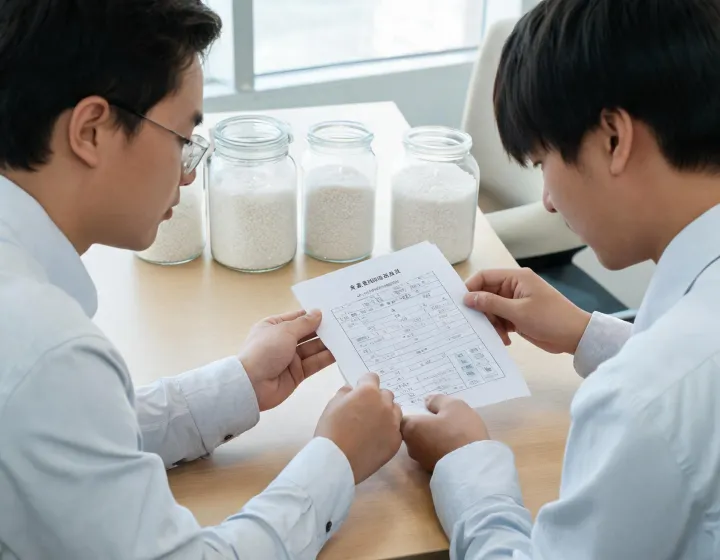
We ask for chemical name, CAS when known, grade, quantity, packaging, US destination, timing and the SDS, TDS, CoA or sample files the receiving team needs. Optional budget and supplier-tier preference can sit beside the brief.
Proposed suppliers are asked to answer those fields for the exact SKU. A document that belongs to a neighbor grade or another mill stays marked as incomplete.
Assay, biuret, package net weight, Incoterm, freight and exclusions are lined up before anyone discusses unit price. Blank cells remain blank.
Quality, EHS, formulation and purchasing remain the approving parties. The desk does not sign a certificate or instruct how to blend, store or apply urea.
Public agrochemical family pages and marketplace screens are used only to phrase questions about nitrogen, biuret or pack size. Their supplier badges, savings banners and inventory ticks are not copied as facts for this desk.
Need package sizes, relabel constraints and document sets that can travel to their own customers without borrowing this site’s name as a producer.
Need quantity, destination, unloading limits and a quotation that states what freight and hazardous paperwork include.
Need assay, moisture, particle size and compatibility notes that a laboratory can test, plus a sample gate defined by their method.
Need exact-product SDS and CoA fields. Family literature is not accepted as lot evidence. Crop-registration or market-registration questions stay with the buyer’s regulatory team.
A crop-protection catalog can suggest wording for a blender or distributor brief. It cannot stand in for SDS, TDS or CoA review of the quoted urea grade heading to a named US destination. Laboratory, EHS, regulatory and formulation calls stay with those qualified teams.
Send a finished specification packet if you have one. If you only know an intended blend ratio or a bag size, list the open cells and we will return the missing mill questions instead of inventing a complete SKU.